Free documentation
0
- Public product datasheets and manuals
- Compatibility checklists
- Community forum access
- Basic troubleshooting guides
- Firmware release notes
Harmora offers a free documentation tier, a paid support option for prioritized assistance and a developer access tier with technical API references. Each tier describes available resources and types of assistance.
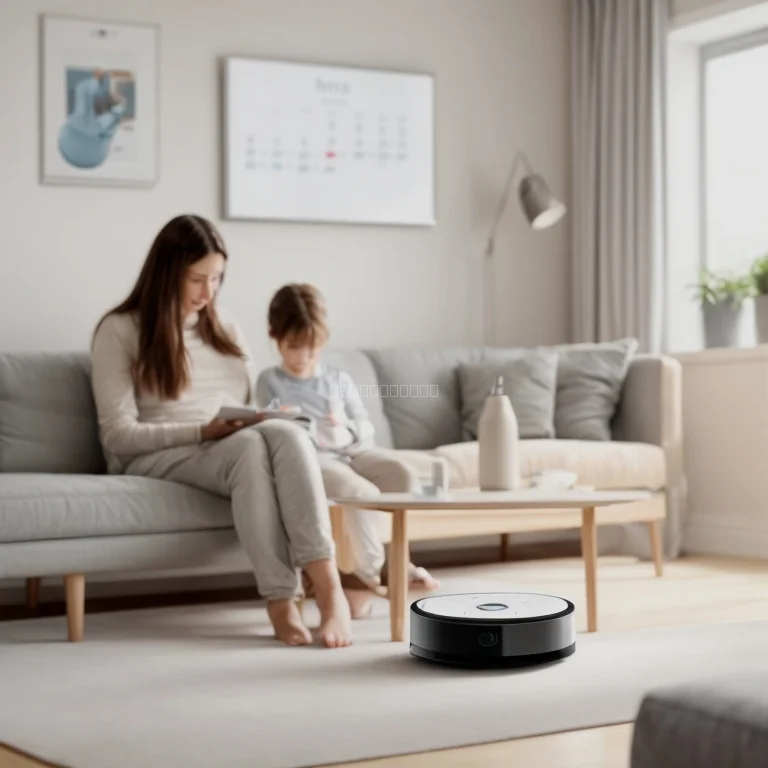
Explore practical applications of AI-enabled devices for home and small office use, focusing on convenience, energy efficiency, and privacy controls.
AI-enabled smart devices can streamline routine tasks and provide contextual assistance while operating within defined constraints. Typical applications include adaptive lighting that responds to ambient conditions, energy management that schedules appliance activity to off-peak periods, and voice or gesture interfaces that offer hands-free control. When assessing such devices, consider local data processing options, update policies, and interoperability with existing platforms to reduce latency and limit unnecessary data sharing. Device manufacturers and integrators should document data practices and provide clear configuration steps so users can select levels of automation that match their privacy preferences and daily needs. In Singapore and similar regulatory environments, it is also prudent to review how device telemetry is stored and for how long, and whether personal identifiers are separated from sensor or environmental information. Regular firmware updates and transparent release notes support predictable device behaviour and reduce exposure to known vulnerabilities. For environments with multiple devices, standardized integration via open protocols or well-documented APIs improves maintainability without requiring broad data transfers to external analytics providers.
Local inference options to reduce outbound data
Schedule-based energy optimization
Modular integration with common smart home platforms