


Smart Living

AI smart devices for everyday living

Harmora develops compact, interoperable devices that assist with routine tasks, energy monitoring, and environmental sensing. Emphasis is on usable features, clear control over data, and compatibility with common smart home setups in Singapore.

Product categories
6
device types designed for common living spaces
Local support
Singapore
technical support and demonstrations available locally
Office
3 Raffles Place
Singapore office and contact point

Team at Harmora

Technical and product staff focused on practical AI applications

Team Member

Daniel Reed

Head of Product

Leads product strategy with a focus on usability and interoperability. Oversees hardware and software roadmaps and coordinates pilot programs in Singapore.

Team Member

Aisha Tan

Lead Systems Engineer

Responsible for system architecture, integration testing, and device certification. Manages compatibility testing across common smart home protocols.

Team Member

Ryan Cole

Senior Systems Engineer

Experienced engineer focusing on embedded systems and device interoperability. Works on practical integrations between AI models and consumer hardware, emphasizing reliability, energy efficiency and clear documentation for installers and users.

Contact Harmora

Get in touch

For product information, technical documentation or partnership inquiries, use the form or the contact details provided. Harmora provides factual product specifications, setup guidance and support resources for smart devices used in daily living.

Typical response window is 2–4 business days. Complex technical requests may require additional review before we reply.
Address

3 Raffles Place, Singapore, 048617

Phone

+6582671092

Reach Harmora Support

Harmora is registered in Singapore. Business ID S4959144A. Registered office: 3 Raffles Place, Singapore, 048617. Registered on 21-04-2026.

Practical AI Smart Devices for Everyday Living

Harmora focuses on practical deployments of AI-driven consumer devices designed to improve convenience, accessibility and energy awareness in homes and small offices. Content below summarizes features, typical use cases and compatibility considerations for smart sensors, voice assistants, adaptive lighting and connected appliances.
Overview
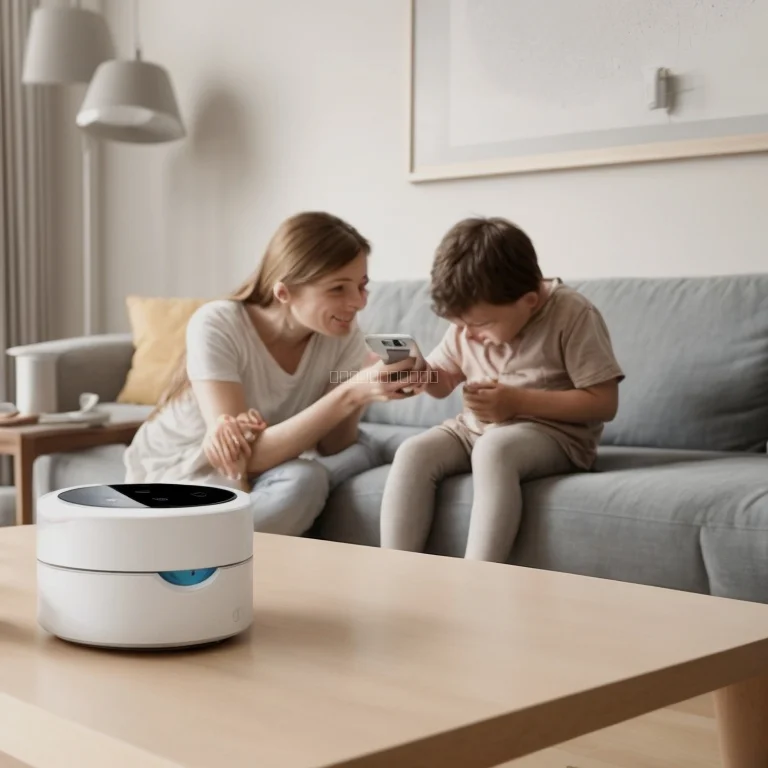
What smart devices do today

What smart devices do today

Modern smart devices integrate sensors, local processing and optional cloud services to automate routine tasks, provide condition monitoring and offer user controls via mobile apps. Harmora emphasizes interoperability standards, clear privacy settings and user-configurable automation to support predictable, explainable behavior.

Explore device types
Use cases
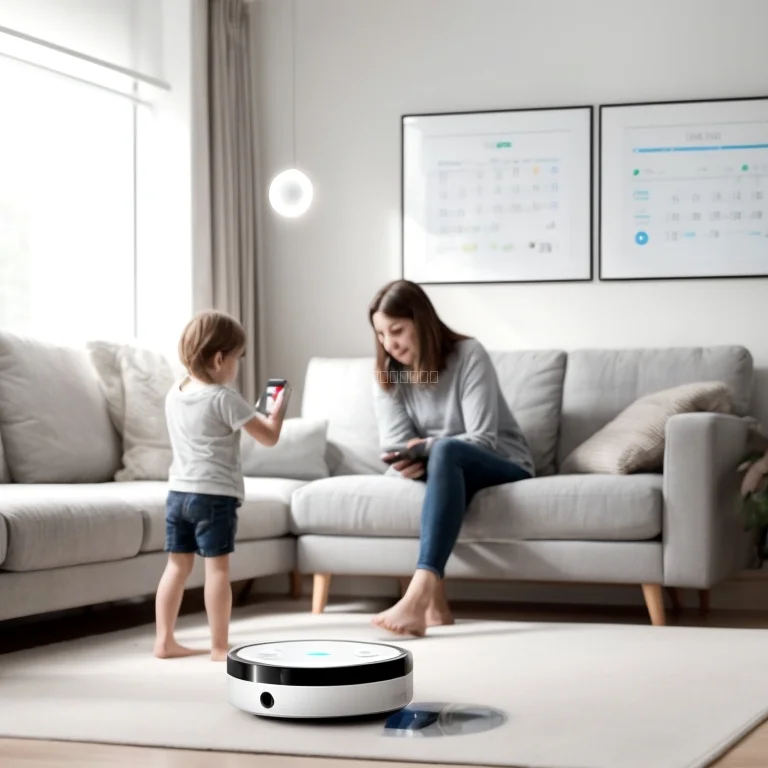
Common home and office scenarios

Common home and office scenarios

Typical scenarios include adaptive lighting that adjusts to natural light, energy monitoring to track appliance consumption, occupancy-aware climate control and voice-assisted routines for hands-free operation. Each solution balances local processing with optional cloud features to minimize latency and reduce unnecessary data transfer.

Explore device types
Considerations
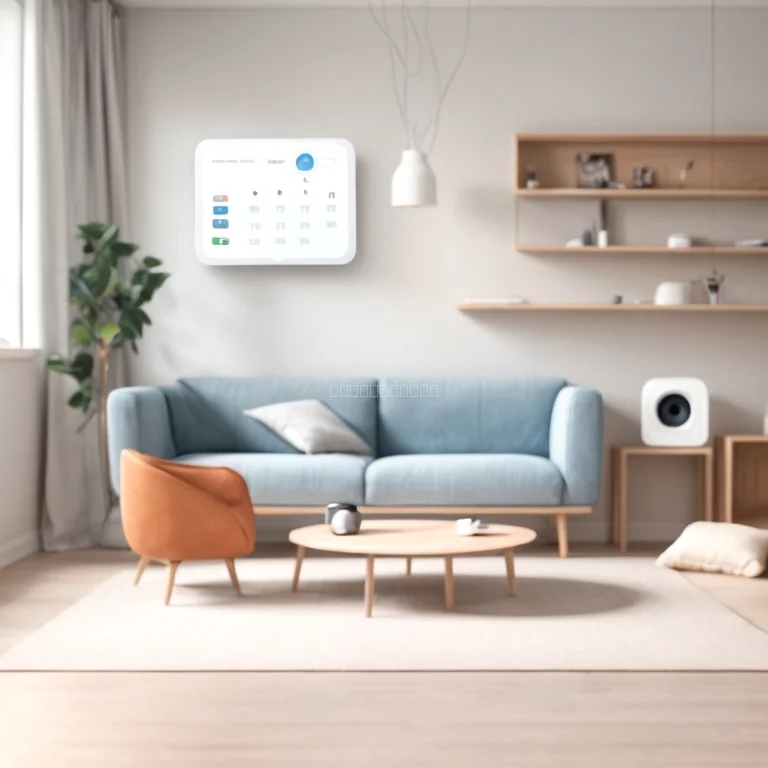
Security, privacy and maintenance

Security, privacy and maintenance

Device lifecycle planning covers secure setup, timely firmware updates, clear access controls and documented data retention policies. Harmora provides reference configurations and recommended maintenance steps to keep devices current and reduce exposure to known vulnerabilities.

Explore device types
Capabilities

Key technical features

Harmora devices and integration guidance prioritize reliable connectivity, measurable energy profiles, local processing options and standards-based APIs. Documentation focuses on what each feature does, integration prerequisites and how the feature affects data flows and user control.

Local AI processing

On-device inference for selected tasks reduces cloud dependency and latency, enabling basic automation and privacy-preserving operation for common scenarios such as motion detection or voice wake-word processing.

Read technical notes

Standards-based connectivity

Support for Wi-Fi, Bluetooth Low Energy and Matter where applicable to facilitate interoperability between devices from different vendors and to simplify integration into existing home networks.

Read technical notes

Energy monitoring

Real-time consumption metrics and historical summaries help users understand usage patterns and make informed adjustments to schedules or device behavior.

Read technical notes

User-configurable automation

Rule-based automation with clear triggers and actions, allowing users to control what conditions activate routines and to audit recent automation events.

Read technical notes

Privacy controls

Options to limit data sharing, choose local-only operation where available, and review or delete collected data in accordance with the privacy policy.

Read technical notes

Firmware and security updates

Regularly published updates address stability and vulnerability mitigations; update behavior and scheduling are documented to minimize disruption.

Read technical notes
Get support

Technical resources and contact Contact Harmora for product documentation, deployment guidance and integration notes relevant to AI smart devices in residential and small commercial settings.

Start with a clear description of your environment and goals so we can direct you to relevant technical resources.

  • Provide context: device types, network setup and desired automation.

  • Specify constraints: privacy preferences, local-only requirements and energy targets.

  • Receive targeted documentation links, reference configurations and recommended next steps.

Technical support available

Office and registration

Harmora Singapore office

Visit or send correspondence to our registered office at 3 Raffles Place, Singapore, 048617 during normal business hours. For official matters use Business ID S4959144A.

Contact
Device compatibility

Interoperability best practices

When integrating devices from multiple vendors, verify supported protocols, required hub devices and any vendor-specific cloud dependencies. Prefer devices that document their local API endpoints and support standard models to reduce integration complexity.

Check compatibility guide
Deployment planning

Network and power considerations

Assess Wi-Fi coverage, mesh extension needs and power availability for devices requiring continuous operation. Identify locations where device temperature or humidity may affect operability and select hardware rated for those conditions.

View plans
Maintenance

Update and support lifecycle

Plan for periodic firmware updates and review device vendor update policies. Maintain an inventory of devices, installed firmware versions and support contacts to streamline troubleshooting when issues arise.

About Harmora